

Wild Ginger (Asarum canadense)
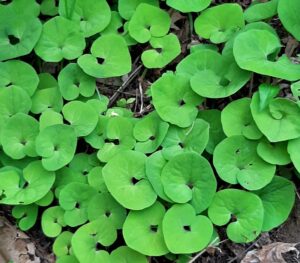
Wild Ginger is definitely a shade lover. Periods of dappled sunlight is enough. It is not a native plant in Texas and the western states, but it is native everywhere from the Rocky Mountains – east.
Light: Shade. This means no more than 4 hours of sun each day. And the sun should never be direct sun but dappled sun through leaves of trees or big shrubs.
Soil and water: Average soil, but ginger will greatly benefit from added compost. Keep in mind this is a woodland plant, so it likes to be mulched with shredded bark or leaves. The soil should remain moist and well-drained – never stay wet. If you are in a period of drought, these plants should be watered. Wild Ginger will struggle in a heavy clay soil.
Hardiness Zone: Zones 3-7.
Size: 6 inches tall and spreads.
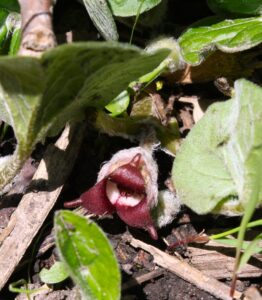
Bloom period and color. Deadheading: Blooms for a week or two in April or May with a dark red, brown, or reddish-brown flowers under its leaves. Unless you push back some leaves, you will never see the flowers. However, they are interesting – unusual. You do not need to deadhead because the flowers will simply fall off and disappear. Remember, you are not growing this plant for its flowers, but for its beautiful foliage.
The leaves are fairly large – they will often measure 6 inches across. They are shiny and heart-shaped.
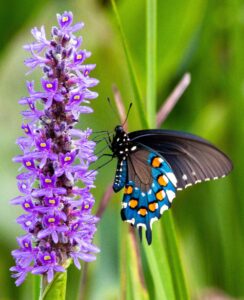
Butterflies and birds: Beneficial insects like Wild Ginger – especially ants. It is thought that ants may do the majority of the pollinating for these plants. It is also a host plant for the Pipevine Swallowtail Butterfly.
Deer, rabbits, and other pests: Deer and rabbits avoid ginger.
What to plant with Wild Ginger: If you have any spring ephemerals such as Bloodroot, Trillium, or Shooting Stars, Wild Ginger is the perfect plant to cover these plants’ declining foliage which generally occurs in June. Smaller ferns such as Lady Fern look great when planted at the edge of an area of wild ginger.
How to use Wild Ginger: This plant is a groundcover. It is not a fast grower such as the invasive myrtle/periwinkle or bugleweed/ajuga, but it will fill in an area if you give it time. An area covered with Wild Ginger is soft and restful for the eyes – lovely to look at.