

Early migration ……. which makes me think about raptors……
First of all, what are raptors?
The actual word – raptor – comes from the Latin word ‘rapere’ which means to seize, take by force, or plunder. Groups of birds that are called raptors include eagles, hawks, falcons, kites, ospreys, harriers, vultures, and owls. Most of these birds share the predatory behavior of hunting, capturing, and killing animals for food. All these birds have hooked beaks and sharp talons.
I always think of raptors this time of year as several begin to move around at the end of July and early August. By mid-August, their migration has begun. And why so early? When I was a beginning birder, I assumed all birds began migrating in September with the big month being October. That is just not the case. For these raptors, one of the reasons they may begin migrating as early as the beginning of August is their prey is not as numerous. Here are four raptors that begin to migrate in early to mid-August:
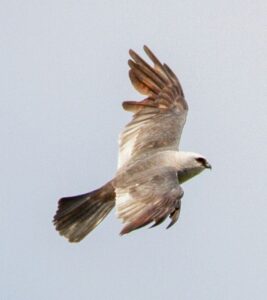
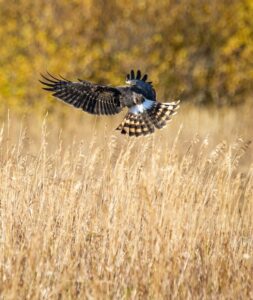
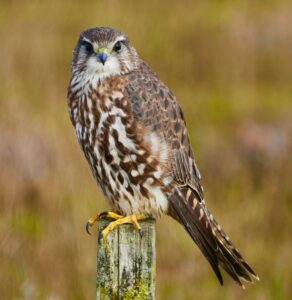
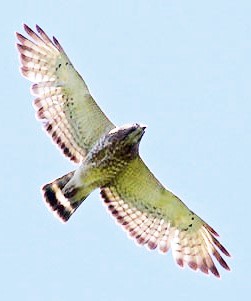
In August, grasslands are at their greatest heights and at their most dense. Many insects and small mammals that these four raptors eat are down within the tall grasses and plants – out of reach. Some are even underground during the day to avoid the heat.
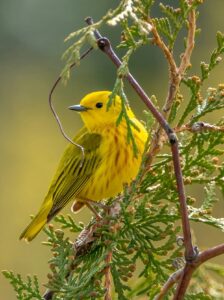
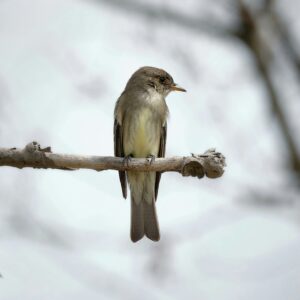
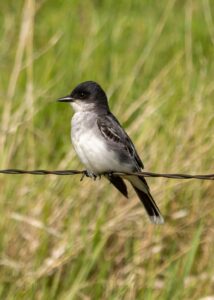
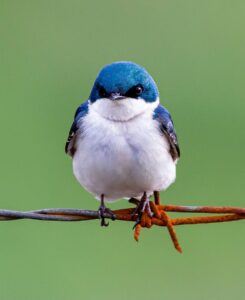
Some songbirds are also early migrators – you may have already noticed a drop in our number of Baltimore Orioles at their feeder which you can watch on our large bird bath cam. Cleon – who sits at the kitchen table whose windows overlook this bird bath on hot afternoons while working sudokus – has told me he thinks the number of male Baltimore Orioles is already down. He is still observing females and this year’s fledglings – they normally leave 2-3 weeks after the males. But it won’t be long until there are no Baltimore Orioles – they will all have left on their migration. And these orioles are not the only songbirds who will begin migrating over the next few weeks. Others who are here in our yard and over our small lake who will soon be leaving are:
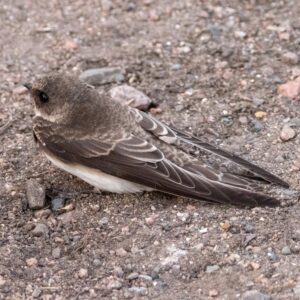
Back to raptors. When I first started birding, I found raptors very confusing. As I spent time studying about them and making my own observations, it soon became apparent to me that they are confusing because they really are confusing. The vast number of subspecies, the morphs, the juveniles!
A few weeks ago, I added another download to my Birding Beyond the Field Guide series. And I very much appreciate all of you who have bought it and most especially the comments you have sent to me – I am so glad this guide has helped sort out the raptors. I admit that this took me months to write – to try to make it simpler to ID each species of raptor. Raptors are not easy! If you have not taken a look, please take a few moments to do so. Here is a link to the shopping page: Raptors and Nightjars. Please note that if you scroll down, you will see I have included a list of the raptors and nightjars included plus a sample entry for one of them – to give you an idea of what is included under each bird. I have also given much attention – and a good number of pages – to identifying the dark silhouettes you will see soaring in the skies overhead – particularly in the upcoming months of migration.
And what are nightjars? Also called goatsuckers?????
A definition from AI: Nightjars are nocturnal insectivorous birds with grey-brown camouflaged plumage, large eyes and gape, and a distinctive call. They are also called goatsuckers.
And examples? Eastern Whip-poor-will, Chuck-will’s widow, Common Poorwill, and Common Nighthawk. Eastern Whip-poor-will and Common Nighthawk are included in this guide. It is important that those of us interested in birds learn all we can about nightjars as in North America, almost all are threatened and some are already endangered and heading towards extinction. I discuss this in the field guide with some recommendations for you to consider.
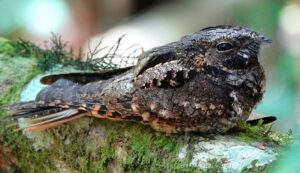
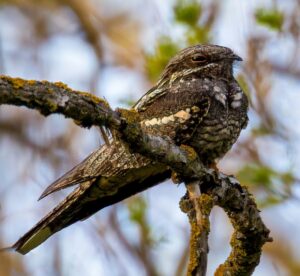
Why did I include them in a field guide about raptors? Because their prey is insects – also the prey of many raptors – and like owls, they are nocturnal. In spring and summer, if you go out at dusk or dawn, looking and listening for owls, this is also the best time to look for nightjars.
I hope you enjoy reading this field guide as much as I enjoyed writing it! Happy birding!
P.S. I just added another native perennial to the Landscaping and Gardening section of this website – Mexican Hat (Ratibida columnifera). Here is the link: Mexican Hat