

Science Shows Birding is Good for Us! by Rachel ………. Oregon
Note from Linda: This essay is written by Rachel White, a board member of Friends of Malheur National Wildlife Refuge (FOMR) – Malheur is in eastern Oregon. Paul and Carol from Pennsylvania sent it to me writing that they had visited Malheur, enjoyed the refuge, signed up for their newsletter, and look forward to reading it every month. I contacted Friends of Malheur to receive permission to reprint her essay here and both FOMR and Rachel White have graciously given me permission. This was first published in their December newsletter.
____________________________________________________________________________________________________________________________________________________________________________________________________
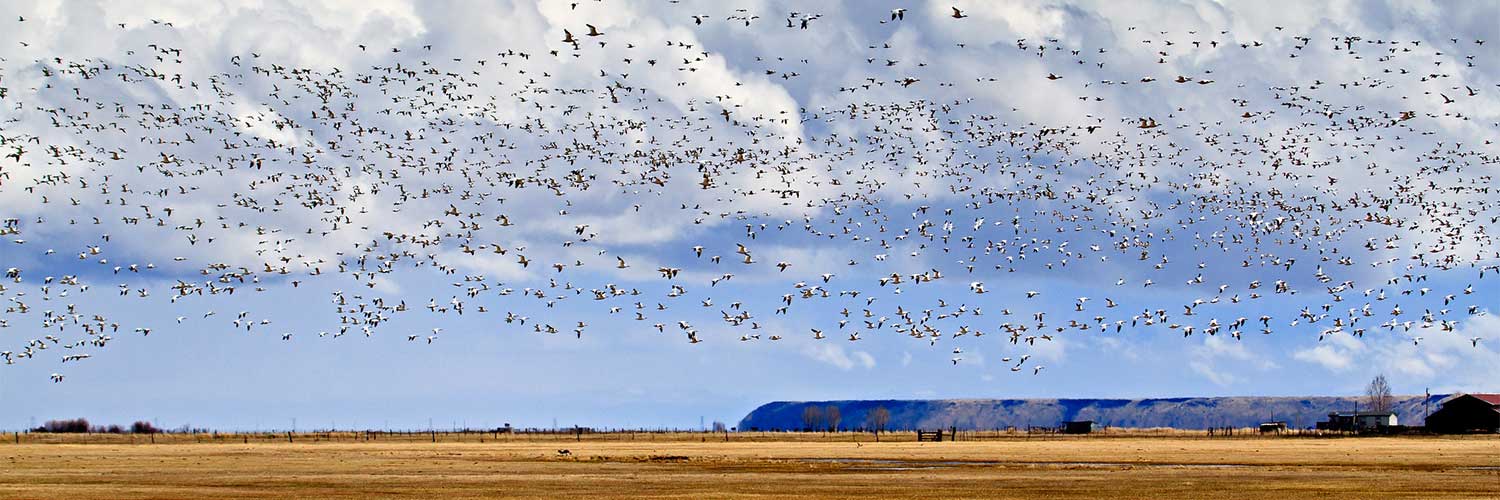
As many of us have experienced at Malheur, birdwatching is a source of enchantment and connection to nature. In case you need an additional excuse to indulge in this delightful pastime, science backs up what we already know in our hearts: birding is an antidote to the frazzled pace of modern life. In fact, it provides measurable health benefits.
That frazzled feeling familiar to many of us is exacerbated by spending time in the digital world. Using sophisticated algorithms to capture and hold onto our attention, time spent online can lead to overstimulation, anxiety, and mental exhaustion. In contrast, recent research shows that engaging with birds alleviates stress and anxiety, an effect that can continue improving mental well-being for up to eight hours.
Other studies have found that the sounds of birdlife can restore cognitive function, and that birding literally exercises our brains, recruiting neural circuits normally associated with face recognition to allow us to identify species using subtle visual cues. A study published last year found that birding significantly boosts psychological wellbeing among college students, a demographic increasingly experiencing mental health challenges.
The study of college students is intriguing because it teased out the benefits of birding specifically, in comparison to simply walking in nature. Students were assigned to three test groups: a birding group, a nature walking group, and a control group. Results showed that birdwatching was more effective at improving mental health than nature walking alone. Why might this be?
My guess is that it’s because birds sharpen our perception and remap our attention onto the soft fascination of the natural world. Birds make the ordinary extraordinary: the invisible visible. They move between worlds we can’t, slipping between earth and sky, land and water, expanding our imaginations. In contrast to the instant gratification and control we expect from the internet, birding is about waiting, being present, and letting the natural world reveal itself. I think the mental health boost those college students gained from birdwatching points to the role of paying attention to birds.
Or as artist Jenny Odell phrased it in her amazing book How to Do Nothing, birdwatching is the opposite of looking something up online. “Every time I see or hear an unusual bird, time stops, and later I wonder where I was, just as wandering some unexpected secret passageway can feel like dropping out of linear time,” she wrote. “Even if brief or momentary, these places and moments are retreats, and like longer retreats, they affect the way we see everyday life when we do come back to it.”
In addition to improving our health and wellbeing, taking time to notice birds can also remind us of the relationship between humans and the natural environment, as well as our responsibility to take care of it. Your membership in Friends of Malheur helps us do exactly that. By supporting our on-the-ground stewardship, habitat restoration, and creation of interpretive experiences, we are all helping maintain this high-desert oasis as crucial resting, feeding, and breeding habitat for numerous species of birds, and as a place where people can experience renewal, wonder, and connection, and, importantly, escape the internet!
What we pay attention to dictates the quality of our minds, ultimately determining our blood pressure and stress levels. Birds magnify our sense of wonder because they invite us to slow down, to notice what’s been alive and moving all along, and in doing so, they expand our sense of what it means to be part of the world.
So, listen to your blood pressure; the science shows that birding is good for you!
By Rachel White, FOMR Board Member
Additional information:
Gauthier, I., Skudlarski, P., Gore, J. C., & Anderson, A. W. (2000). Expertise for cars and birds recruits brain areas involved in face recognition. Nature Neuroscience, 3(2), 191-197.
Hammoud, R., Tognin, S., Burgess, L., et al. (2022). Smartphone-based ecological momentary assessment reveals mental health benefits of birdlife. Scientific Reports, 12(1), 17589.
Peterson, M. N., Larson, L. R., Hipp, A., Beall, J. M., Lerose, C., … Martin, K. L. (2024). Birdwatching linked to increased psychological well-being on college campuses: A pilot-scale experimental study. Journal of Environmental Psychology, 96, 102306.
Ratcliffe, E., Gatersleben, B., & Sowden, P. T. (2013). Bird sounds and their contributions to perceived attention restoration and stress recovery. Journal of Environmental Psychology, 36, 221-228.
________________________________________________________________________________________________________________________________________________________________________________________________
Friends of Malheur National Wildlife Refuge (FOMR) is a nonprofit dedicated to protecting and celebrating the wildlife, habitats, and cultural heritage of Oregon’s Harney Basin. Through hands-on stewardship, community engagement, and educational programs, Friends of Malheur fosters deeper connections between people and nature. Whether restoring wetlands, supporting migratory birds, or inspiring visitors to slow down and observe, Friends of Malheur works to ensure the Refuge remains a haven for wildlife and a source of peace and renewal for all who visit—a place where wonder takes flight and time, for a moment, stands still.
Janelle Wicks. FOMR Director